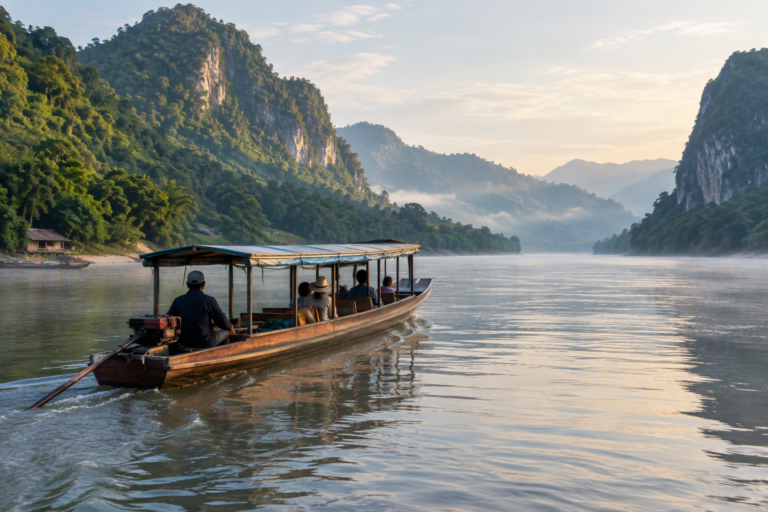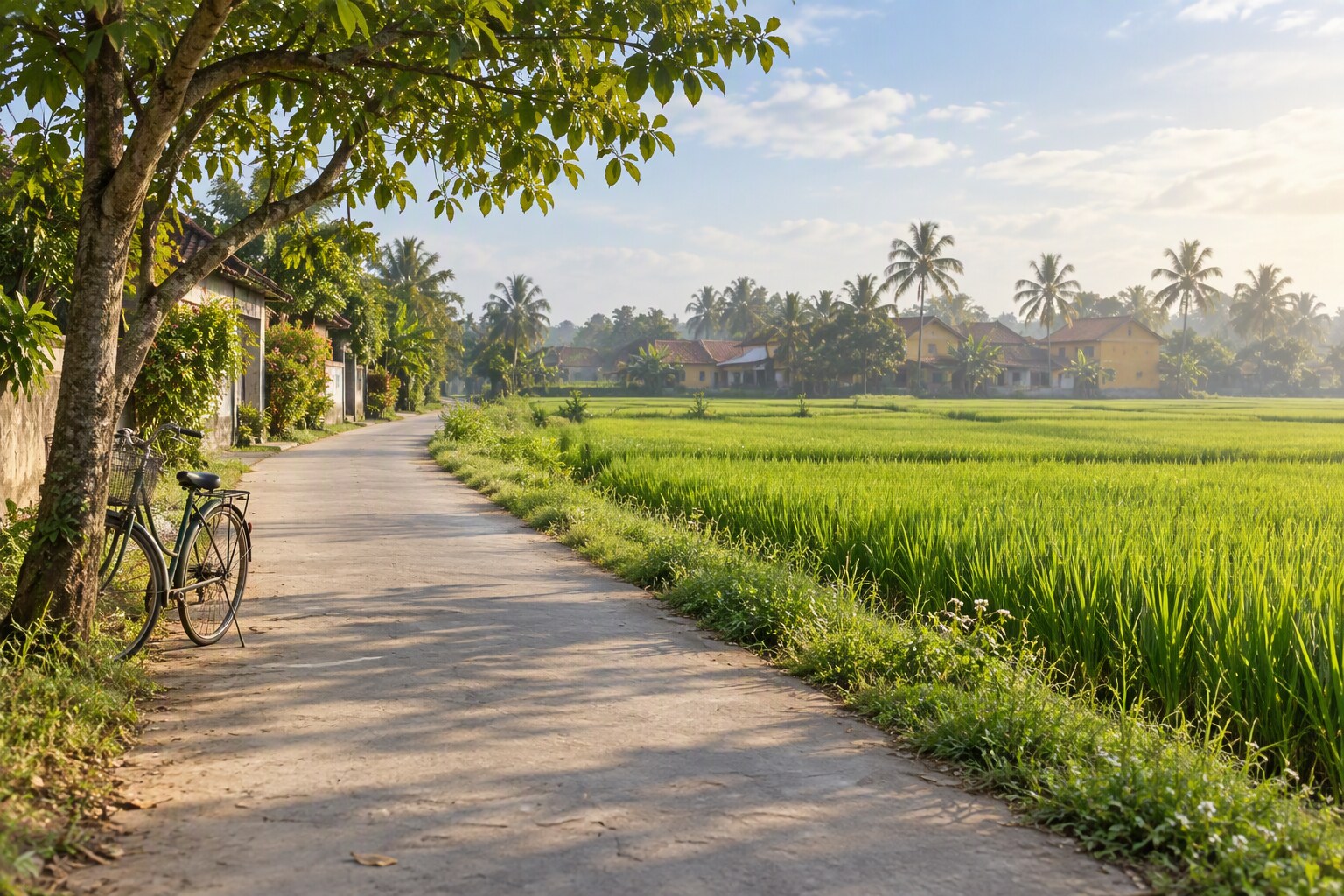
Vietnam family tour packages work best when they organise the connections and leave enough room for children to enjoy the places between them. A holiday with kids needs more than a smaller adult ticket. Room layouts, safe transport, regular meals and manageable days all matter, sometimes more than the number of famous sights on the itinerary.
This guide is for international parents comparing a family holiday in Vietnam. It focuses on what to ask before booking, how to choose a comfortable route and where to build in flexibility. A toddler, a curious eight-year-old and an independent teenager need different arrangements, even when they travel with the same family.
Begin with your children’s ages, routines and interests rather than an ambitious destination list. Then tell the planner what would make the trip difficult: long drives, late dinners, several hotel changes or unsuitable bedding. Clear information at the start is more useful than discovering those problems after the deposit has been paid.
- Plan for your children: Share ages at travel, sleep routines, interests and any health or dietary needs.
- Use fewer bases: Leave time for arrival, rest and independent moments instead of moving hotels every morning.
- Confirm rooms and restraints: Family labels do not guarantee suitable beds, connecting rooms or child car seats.
- Check each activity: Ask about age limits, supervision, walking conditions and correctly sized safety equipment.
- Compare the whole family cost: Verify child charges, bedding, meals, flights and optional extras separately.
1. Start Vietnam family tour packages with ages and routines
Give the planner each child’s age at the time of travel, not just their age when you request a quote. Tell them about nap times, early bedtimes, walking stamina and motion sickness. These details affect the route, vehicle and rooms. They are not minor requests to leave until the final booking form.
For younger children, think about feeding, changing and a reliable place to rest. School-age children may enjoy making something or asking a guide questions. Teenagers may want a say in the activity choices and some downtime. Those are useful starting ideas, not rules about what every child of an age will like.
If children have different interests, plan a shared highlight and a quieter option rather than forcing everyone through the same ambitious day. Our family versus honeymoon itinerary guide explains the broader pacing difference. Here, the focus is turning your own household’s needs into clear booking arrangements.
2. Choose fewer bases and count actual holiday nights
For roughly a week, consider a focused region instead of trying to cover all of Vietnam. A Hoi An-based stay might combine town visits, countryside activities and rest. A northern holiday might pair Hanoi with one landscape stay. These are route ideas to discuss, not a promise that every option suits your dates.
With ten to fourteen nights, two or three main bases can provide more variety without constant packing. You might combine Hanoi with Hoi An, then add a beach stay if connections and weather suit. Alternatively, keep the whole journey regional. More time does not create an obligation to see the north, centre and south.
Count arrival and departure days honestly. An evening landing may provide only dinner and sleep, while an early departure removes the final morning. Ask how many usable days remain after transfers. Protecting a few longer stays is often a better family decision than adding another destination for one hurried night.
3. Compare private and group Vietnam family tour packages
Private touring can make it easier to request different start times and agreed rest stops. However, flexibility depends on the services booked. Flights, cruise departures and timed activities still impose limits. Confirm which days have a private guide and vehicle, and what changes are possible without rebooking or extra cost.
A family-friendly group departure may appeal if your children enjoy company and the ages, route and pace fit. Ask about minimum ages, group size, daily walking and how the guide handles a family needing a break. Other children on the departure are not guaranteed unless the operator specifically confirms that information.
Mixed arrangements can also work: private transfers, a shared excursion and independent afternoons. Our private versus group tour guide explores the general trade-offs. For your family, judge the actual day-by-day service rather than assuming a private label means everything is adjustable or a group label means unsuitable.
4. Confirm family rooms, beds and the hotel setting
Request named hotels and room categories, then confirm the exact sleeping arrangement. A “family room” might mean one large bed and an extra bed, or a different configuration altogether. Ask whether each child has their own bed, whether breakfast covers everyone and how room occupancy affects the quoted price.
Connecting rooms need particular care. Ask whether the connection is confirmed or merely requested, and whether adjacent rooms are the alternative. For babies, discuss a suitable cot and safe sleep arrangements before booking. Do not assume every available cot meets the standards you use at home; clarify details and inspect it on arrival.
Location matters as much as the swimming-pool photograph. Check access to meals, lift availability, noise and the route between room and public areas. On arrival, inspect balconies, stairs and other accessible hazards. A hotel can be pleasant for adults while still needing close attention when curious young children are staying.
5. Arrange child restraints and realistic road transfers
Tell the operator your children’s ages, heights and weights when discussing car seats or booster seats. Ask what suitable equipment and seatbelts are available, and confirm the arrangement for every transfer. “Private vehicle” does not mean an appropriate restraint is automatically fitted, especially when different drivers operate different parts of the trip.
The CDC advises appropriate restraints for children according to age and size, and warns that suitable seats may be unavailable abroad. If availability cannot be assured, discuss bringing your own and check compatibility with the vehicle. Holding a child on an adult’s lap is not an equivalent arrangement for a road journey.
Plan luggage space as well as passenger seats, including a folded stroller where relevant. Ask for realistic travel time, toilet breaks and meal stops on longer journeys. Finally, consider whether a winding scenic route suits everyone. A shorter day with a proper break can be more enjoyable than another viewpoint reached by a tiring detour.
6. Make flight days easier instead of filling the gaps
Domestic flights can connect distant regions, but the flight itself is only part of the day. Include hotel checkout, airport travel, check-in, arrival and the next transfer. Keep sightseeing modest on those days. A midday flight does not automatically leave room for a full tour on either side.
Confirm baggage, seating requests and airline arrangements for strollers or child restraint systems. Policies depend on the airline, fare and aircraft, so check the actual booking. Discuss whether your family can sit together rather than treating a seating request as confirmed. Also keep essential supplies and prescribed medication accessible in your cabin luggage.
Leave the arrival day gentle after a long international journey. A meal near the hotel and an optional short walk may be enough. Tell the planner if early room access is important, then ask what must be reserved or paid for. An ordinary hotel booking may not provide a room immediately after a morning landing.
7. Build a daily rhythm with one main highlight
A useful planning pattern is one main activity, a proper meal break and a flexible afternoon. Begin earlier when that suits the family and conditions, rather than making early starts compulsory. Avoid combining several major attractions simply because they appear close on the map. Travel, queues and heat still take energy.
For a Hoi An day, you might choose a short old-town visit or a hands-on workshop, then return for lunch and rest. Later, take another brief outing if everyone wants it. Our guide to how many days to spend in Hoi An helps you allow space for that slower rhythm.
Keep a rainy-day alternative and permission to skip the optional stop. Ask which arrangements can change and which are prepaid or time-sensitive. A private guide can help with adjustments, but cannot erase every booking condition. Make flexibility part of the proposal rather than an assumption you carry into the holiday.
8. Choose activities for interest, suitability and supervision
Vietnam’s official tourism family guide highlights Hoi An countryside and cooking activities, alongside other destination ideas. For your own outing, check the session length and what children actually do. A short lantern-making or cooking session may suit some families better than another long explanation, provided the activity fits their ages and interests.
Ask about hot surfaces, sharp tools, walking conditions and adult participation. For cycling, check bicycle size, helmets, traffic exposure and an alternative for anyone who cannot ride comfortably. A village route is not automatically traffic-free. Likewise, a brief boat trip needs appropriate equipment and supervision even when described as gentle.
For more inspiration, browse the Vietnam family holidays collection from C Vietnam Tours. Treat the outlines as ideas, not proof of suitability or confirmed prices. Choose experiences you genuinely want, then ask the operator for the practical arrangements and any restrictions before adding them.
9. Decide whether an overnight cruise suits your family
An overnight bay cruise can be a memorable part of Vietnam family tour packages, but it is not essential. Consider how your children feel about boats, shared spaces and fixed meal times. Ask about the named vessel, cabin layout, bedding and minimum age rules. A family-friendly description does not settle those details.
Check stairs, balcony access, boarding and available child-sized lifejackets. Children and weak swimmers should wear appropriate lifejackets when boating, and adults remain responsible for supervision. Ask whether shore activities or kayaking have separate restrictions. Never assume an activity shown in a brochure is suitable for every child on the booking.
Our one-night versus two-night cruise guide explains the wider duration choice. Discuss weather disruption and alternatives before confirming. If the cruise arrangements do not suit your family, a comfortable land stay is a valid choice. There is no requirement to include every headline experience in a first visit.
10. Keep meals, heat and health preparation practical
Tell the planner about allergies, dietary needs and foods your children usually accept. Check included meal times and whether there are simple alternatives. Carry familiar snacks when appropriate, subject to travel rules, rather than relying on a restaurant appearing at exactly the right moment. Confirm ingredients instead of assuming mild food is allergy-safe.
Use safe drinking water, good hand hygiene and suitable food handling. Plan shade and rest, with sun protection and mosquito precautions appropriate for each child. Around pools and beaches, supervise closely; a resort setting does not remove water hazards. A swimming session is still an activity needing adult attention, not automatic childcare.
Arrange pre-travel advice with your child’s clinician, especially for medical conditions or particular activities. Discuss vaccinations, medicines and what to do if someone becomes ill. Keep insurance and assistance details accessible, and use our Vietnam travel insurance guide as a starting checklist. Verify the actual family policy rather than assuming operator cover replaces it.
11. Compare Vietnam family tour packages at the total party price
Ask for an itemised family total based on the children’s ages, your dates and the confirmed room arrangement. Child charges can differ across hotels, flights, cruises and activities. A reduced sightseeing rate does not necessarily mean reduced airfare or free bedding. Do not apply one advertised child discount to the entire holiday.
Compare room categories, meals, transfers, restraints, baggage and activity fees before looking only at the total. Ask whether extra beds, cot hire or mandatory supplements remain outside it. Also check the currency and payment fees. Two quotes for the same four travellers may still describe different rooms and very different daily arrangements.
Our Vietnam tour packages inclusion checklist covers the wider booking comparison. Add the child-specific questions alongside it, then request clear cancellation and amendment terms. If one child becomes unwell or an activity changes, know whom to contact and which costs may still apply. Do not assume every family booking is fully refundable.
12. Send a brief that describes how your family travels
Include dates, international flight details if known, traveller numbers and children’s ages at departure. State your preferred rooms and whether your budget includes international flights. Explain priorities and limits together: countryside and food, for example, but no long daily drives. A useful brief says what a good day feels like for you.
You might write: “Two adults and children aged six and eleven, ten nights, two main bases, suitable child restraints, family bedding and afternoons available for rest.” Add medical, dietary or mobility needs privately through an appropriate channel. Tell the planner what equipment you will bring and what needs confirmed local provision.
Invite older children to choose one or two interests, then review the proposed days together. Ask questions about any vague service rather than accepting “family-friendly” as the full answer. A good proposal connects your requests with specific arrangements. It should not simply replace adult prices with child prices in an unchanged sightseeing schedule.
13. Ask CTour for Vietnam family tour packages with breathing room
Share your family brief with CTour and ask for a route that balances interest, rest and manageable connections. Request named accommodation and clear room layouts, plus transport and activity arrangements suited to the children travelling. Explain your priorities early, including the experiences you would prefer to leave out.
Before confirming, resolve child pricing, bedding, safety equipment and anything still subject to availability. Ask how the plan can adapt if someone needs a quieter day, and who supports you during the trip. Good planning makes those conversations specific. It does not rely on reassuring language about children being welcome everywhere.
The strongest Vietnam family tour packages leave room for ordinary moments: a short walk, a new snack, a question for the guide. You should return remembering what your family enjoyed, not how many hotels you checked into. Build the route around that outcome, and let the destination list follow.
Frequently asked questions
What should Vietnam family tour packages include?
Look for clear accommodation and bedding, suitable transfers, manageable activities and explicit meal arrangements. Flights, cruises and entrance fees depend on the programme. Confirm the child-specific details separately, including restraints and extra beds, rather than assuming the family label guarantees them.
Is Vietnam suitable for a holiday with young children?
A carefully planned trip can work for many families, but suitability depends on your child, health needs and route. Discuss concerns with the planner and clinician where appropriate. Fewer bases, suitable transport and reliable rest arrangements can make the journey more manageable.
Are child car seats included in private transfers?
Not automatically. Request appropriate restraints using each child’s age and size, then confirm equipment and vehicle compatibility for every transfer. If suitable seats cannot be assured, discuss bringing your own. A private vehicle alone does not guarantee the child restraint you need.
Do children receive a discount on Vietnam packages?
Sometimes, but charges depend on the individual services, age at travel and room arrangement. Hotels, airlines, cruises and activities can use different conditions. Ask for a written total showing bedding and meal assumptions rather than applying one discount to all components.
How many destinations should a family visit?
For a short trip, start with one region or a small number of bases. For a longer stay, two or three main bases can provide variety. Count transfer days and usable nights, then adjust for your children’s routines rather than following a fixed destination quota.
Can children join an overnight Halong Bay cruise?
Check the specific vessel’s rules and arrangements. Confirm age restrictions, cabin bedding, supervision needs and suitable lifejackets before booking. Some activities may have separate limits. If those arrangements do not fit your family, choose another experience rather than making the cruise compulsory.
Is a private tour always better for families?
No. Private touring can offer more control over specified days, while a suitable group departure may provide company and a good plan. Compare the actual pace and services. Flexibility still has limits when flights, hotels or timed activities are already booked.
What should I tell the planner before requesting a quote?
Send dates, traveller numbers, children’s ages at travel, room preferences, budget and interests. Explain sleep routines, dietary needs, mobility concerns and required equipment. The clearer your brief, the easier it is to build a realistic itinerary and an accurate family price.
CTour DMC Vietnam — planning team
We are a licensed Destination Management Company based in Vietnam, designing private journeys across Vietnam, Cambodia and Laos. This guide was written by the planners and local guides who run these trips on the ground, and is reviewed against current conditions before publication. More about our team · Ask us a question
Published 26 October 2026 · 2,756 words · 13 min read