The short answer
- Mid-range private tour: US$1,400–2,200 per person for 14 days, two sharing, land only.
- Upper mid-range: US$2,200–3,200 per person — four-star hotels, better cruise cabin, a beach stay.
- Luxury: US$3,500–6,500+ per person — five-star and resort properties, private boat, premium guides.
- International flights are extra — usually US$700–1,400 from Europe, US$900–1,800 from North America or Australia.
- Biggest single swing factor is hotels, not tours. The same route can double in price on accommodation alone.
- Two people sharing pay far less each than one person travelling alone, because the car, guide and boat cost the same either way.
Almost every enquiry we get asks about price within the first two messages, and almost every published answer online is useless — either a backpacker figure of US$30 a day that has nothing to do with a private tour, or a headline “from US$1,999” that turns out to be a shared bus group in low season.
So here is the honest version, from a company that quotes these trips every day. All figures below are per person, based on two people sharing a room, and cover land arrangements only: hotels, private vehicle with driver, licensed English-speaking guides, entrance fees, domestic flights inside Vietnam, and the meals listed in the itinerary. International flights are excluded, and we say so clearly because bundling them hides the real cost of the ground product.
What a 14-day private Vietnam trip costs at each level
Fourteen days is the most common length we sell, and it is long enough to cover the north, the centre and the south without rushing. These are realistic 2026 ranges for that route.
Mid-range, US$1,400–2,200 per person. Comfortable three-star and good boutique hotels, a standard cabin on a decent Halong Bay cruise, private car and guide throughout, two or three domestic flights. This is the level most couples book and it is genuinely pleasant — nothing about it feels like cutting corners, and the guiding is identical to what luxury clients get.
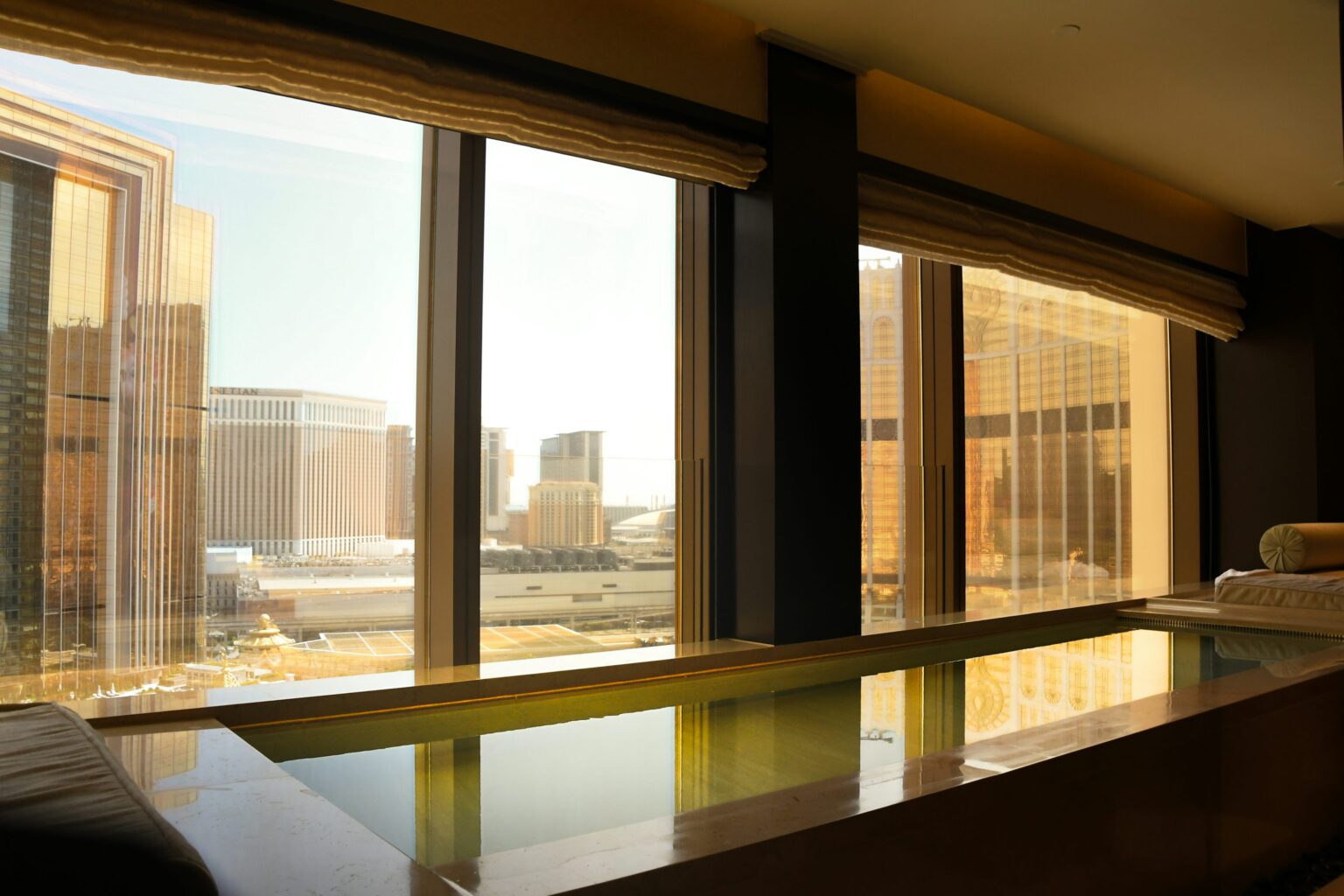
Upper mid-range, US$2,200–3,200 per person. Four-star city hotels in better locations, a balcony cabin or a smaller boat in Halong or Bai Tu Long, a few nights at a beach resort, more included meals. The step up from mid-range buys space and location more than service.
Luxury, US$3,500–6,500 and upward. Five-star hotels and destination resorts, private charter boat rather than a cabin on a shared cruise, senior guides, transfers in premium vehicles, restaurant bookings handled for you. Above roughly US$7,000 per person you are paying for specific properties — the itinerary itself stops changing much.
Where the money actually goes
On a typical mid-range two-week trip, the split looks roughly like this:
- Hotels — 35 to 45%. Thirteen nights adds up, and it is the line you control most directly.
- Private vehicle and driver — 15 to 20%. Fixed cost regardless of how many of you travel, which is why solo pricing looks harsh.
- Guides — 10 to 15%. Licensed guides are day-rated. Good ones cost more and are worth it.
- Domestic flights — 8 to 12%. Hanoi to Da Nang to Saigon, usually two or three sectors.
- Halong Bay cruise — 8 to 12%. Ranges from modest to eye-watering depending on the boat.
- Entrance fees, meals, permits and boats — 8 to 10%.
Notice what is not on that list: our margin is inside those numbers, not added on top. A DMC quote is a single price for the whole arrangement. If you want the breakdown we will send it — but be wary of any operator who refuses to.
Why solo travellers pay so much more
This surprises people, so it is worth stating plainly. The car, the driver, the guide, the boat transfer and the permits cost us the same whether one person or two sits in the vehicle. Only the hotel room and the meals scale with headcount, and hotels charge nearly as much for single occupancy as for double.
The practical result is that a solo traveller typically pays 55 to 75% more per person than someone in a couple on the identical itinerary. Groups of four to six get the best value of all, because the fixed costs divide further — which is why family and friend groups often find private touring cheaper per head than they expected.
What changes the price most, in order
- Hotel category. Moving from three-star to five-star roughly doubles a trip. Nothing else comes close.
- Season. Christmas, New Year and Tet carry surcharges at every hotel in the country, often 30 to 50% on the room. Shoulder months are materially cheaper.
- Number of people sharing. See above.
- Halong Bay boat choice. A cabin on a large cruise versus a private charter is a four-figure difference.
- Pace. More cities means more domestic flights, more hotel check-ins and more guide days. Slowing down usually saves money and improves the trip.
- Beach nights. Resort rates in Phu Quoc, Da Nang and Nha Trang vary enormously by property and season.
Where to cut, and where not to
After enough years of quoting, the savings that clients never regret and the ones they always do have become fairly predictable.
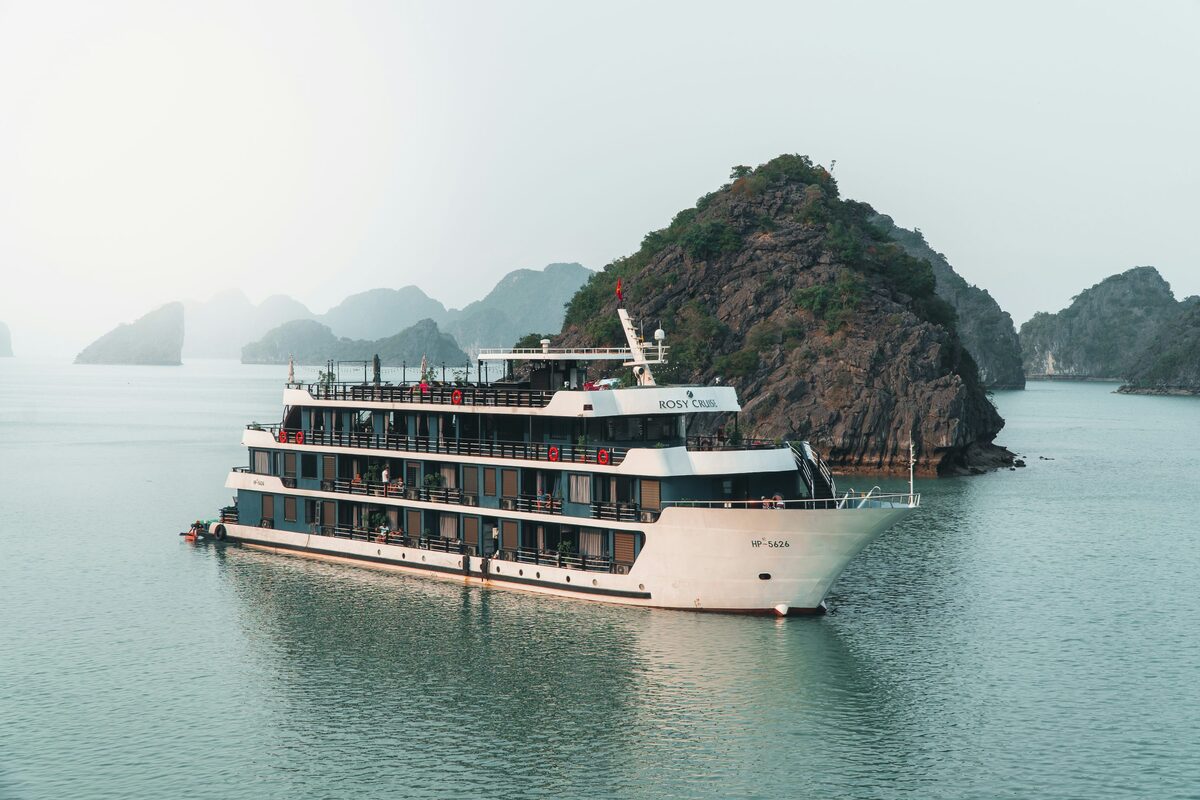
Cut with confidence: hotel category in cities you will barely be in — a smart three-star in Hanoi’s old quarter beats an expensive room you see only at midnight. Travel in shoulder season instead of over Christmas. Drop one destination and give the nights to the places you keep. Skip the top-tier cruise cabin; the bay looks the same from the deck.
Do not cut: the guides. A cheap guide in Hue or the Mekong Delta is the difference between understanding what you are looking at and photographing it blankly. Also do not cut the domestic flights in favour of long overland drives to save a hundred dollars — you will pay for it with a wasted day. If overnight trains appeal for their own sake that is different, and worth reading up on separately in this guide to train travel in Vietnam.
Costs on the ground that are not in the quote
Budget roughly US$25–45 per person per day for what falls outside a standard tour price:
- Meals not listed. Vietnam is inexpensive to eat in — a superb bowl of noodles is a couple of dollars, a good restaurant dinner US$15–30 a head.
- Drinks. Local beer is cheap; imported wine is not.
- Tips. Not obligatory but customary for drivers and guides. There is a sensible breakdown in this Vietnam tipping guide.
- Visa. Most nationalities need one. Current rules and the e-visa process are covered in our Vietnam visa and entry guide.
- Travel insurance. Non-negotiable, and cheap relative to the trip. See this overview of travel insurance for Vietnam.
- Data. An eSIM or local SIM costs a few dollars for the trip — details in this SIM and eSIM guide.
- Shopping. Tailoring in Hoi An is the line that most often blows the budget, cheerfully.
If you want a fuller picture of day-to-day spending independent of tour pricing, this Vietnam travel budget guide goes into more detail, and this one on how much cash to bring is worth a look before you fly.
Does a private tour cost more than doing it yourself?
Less than most people assume, and occasionally less outright. We book hotels at contracted rates rather than public ones, which recovers a good part of the guiding and transport cost. On a two-week multi-region trip with domestic flights and a cruise, a well-built private itinerary often lands within 10 to 20% of what the same components cost booked individually online — with the difference being that someone answers the phone when a flight moves.
Where independent travel genuinely wins is a single-region trip at a slow pace — three weeks between Hoi An and Da Nang, say. Where it loses badly is anything with tight domestic connections, remote areas, or the north in a hurry.
Sample prices on our own itineraries
To make this concrete, these are real routes we run, and the levels they are usually quoted at:
- Five days from Hanoi — short north trip, the cheapest way to see Halong and the capital properly.
- Seven days north to central — Hanoi, Halong and Hoi An without the south.
- Eight days — the most popular compromise for a one-week-plus holiday.
- Eleven days luxury — north to south at a five-star level.
- Fifteen days with beach — the full country plus a proper resort stay.
Every one of these is a starting point, not a fixed package. We rebuild them around dates, pace and budget, and we will tell you when what you want costs more than you have said you want to spend.
How to get a price that means something
A useful quote needs four things from you: your dates, how many of you and what room configuration, which regions matter most, and a budget range per person. The last one is not a trap. Telling us you have US$2,000 a head rather than leaving it blank means the first draft is buildable instead of a guess in either direction.
If you are still deciding how long to go for, start with how many days you need in Vietnam. If dates are the open question, the month-by-month weather guide will narrow it down, and if the north is your priority there is a season-by-season view of when to visit northern Vietnam.
Frequently asked questions
Is Vietnam expensive to travel in?
On the ground, no. Food, local transport and everyday costs are among the lowest in Southeast Asia, and US$25–45 a day covers meals and incidentals comfortably. What costs money is the structure around it — hotels, private transport, guides and domestic flights — which is where a tour price comes from.
How much is a two-week Vietnam tour per person?
For a private tour with two people sharing, expect US$1,400–2,200 at mid-range, US$2,200–3,200 upper mid-range, and US$3,500–6,500 or more at luxury level, land only. International flights are additional.
Are international flights included in your prices?
No, and we prefer to be clear about it. Quoting land arrangements separately lets you compare our ground product honestly against others, and most clients book long-haul flights better themselves with their own miles or preferred airline. Domestic flights inside Vietnam are included.
When is Vietnam cheapest to visit?
Broadly the shoulder months — late April to June, and September — when hotel rates drop and availability is easy. The most expensive periods are Christmas, New Year and Tet, when surcharges apply nationwide. Note that cheapest and best rarely coincide, because the weather differs sharply by region.
Can you work to a fixed budget?
Yes, and it is the easiest way for us to work. Give us a figure per person and we will build the best trip that fits it, telling you plainly what the number does and does not stretch to rather than quietly downgrading things.
Do children pay full price?
No. Children sharing their parents’ room are charged a reduced rate, and infants are usually free apart from entrance fees. Because the vehicle and guide are already paid for, adding children to an existing booking is proportionally cheap — which is covered further in our guide to Vietnam with kids.
Why do quotes from different companies vary so much?
Usually hotels and boats, occasionally guide quality, and sometimes what is quietly excluded. When comparing, check the named properties rather than the star rating, whether guiding is private or shared, whether domestic flights are in or out, and how many meals are included. Two quotes US$800 apart are often the same trip with different beds.
CTour DMC Vietnam — planning team
We are a licensed Destination Management Company based in Vietnam, designing private journeys across Vietnam, Cambodia and Laos since 2010. This guide was written by the planners and local guides who run these trips on the ground, and is reviewed against current conditions before publication. More about our team · Ask us a question
Published 15 September 2026 · last reviewed 16 September 2026 · 1,954 words · 9 min read